8 Best Alternatives of Narrato
Most content teams switch tools after three months of slow output and scattered approvals. They need one platform that drafts, edits, and schedules without extra logins or manual handoffs. Autoblogging.ai positions itself first in the comparison that follows.
By the final section you will know which eight platforms handle those steps, how their pricing and features line up, and which one ranks highest overall. The verdict at the end gives a single recommendation tied to the criteria outlined in each review.
What to Look For in AI Content Platforms
Effective AI content platforms deliver accurate long-form generation, SEO integration, and workflow automation.
Businesses rely on thorough SERP analysis depth to understand what competitors rank for a given topic. The best tools scan top-ranking pages and extract common subtopics before generating outlines.
This level of analysis helps writers create content that matches reader intent and fills content gaps left by existing articles.
Keyword integration accuracy determines whether an AI writing tool places terms naturally throughout the draft. Look for platforms that identify LSI keywords and suggest placement in headings, introductions, and conclusions.
Accurate placement improves relevance without forcing keywords into awkward sentences.
Credit system transparency affects long-term budgeting and content volume planning. Strong platforms display exact credit costs per article length and per optimization task so users avoid surprise limits.
Clear breakdowns also show how many credits remain before renewal, which prevents workflow interruptions.
Integration count shows how well an AI content platform connects with existing marketing stacks. Top solutions offer native connections to analytics, social schedulers, and project management tools.
These connections reduce manual copying and keep data flowing between content creation and distribution stages.
Finally, language support matters for teams that publish across multiple regions. The strongest platforms handle multiple languages with native fluency rather than machine translation quality.
Multilingual support lets brands maintain consistent tone and accuracy in global markets without hiring separate writers for each region.
1. Autoblogging.ai - Best Overall
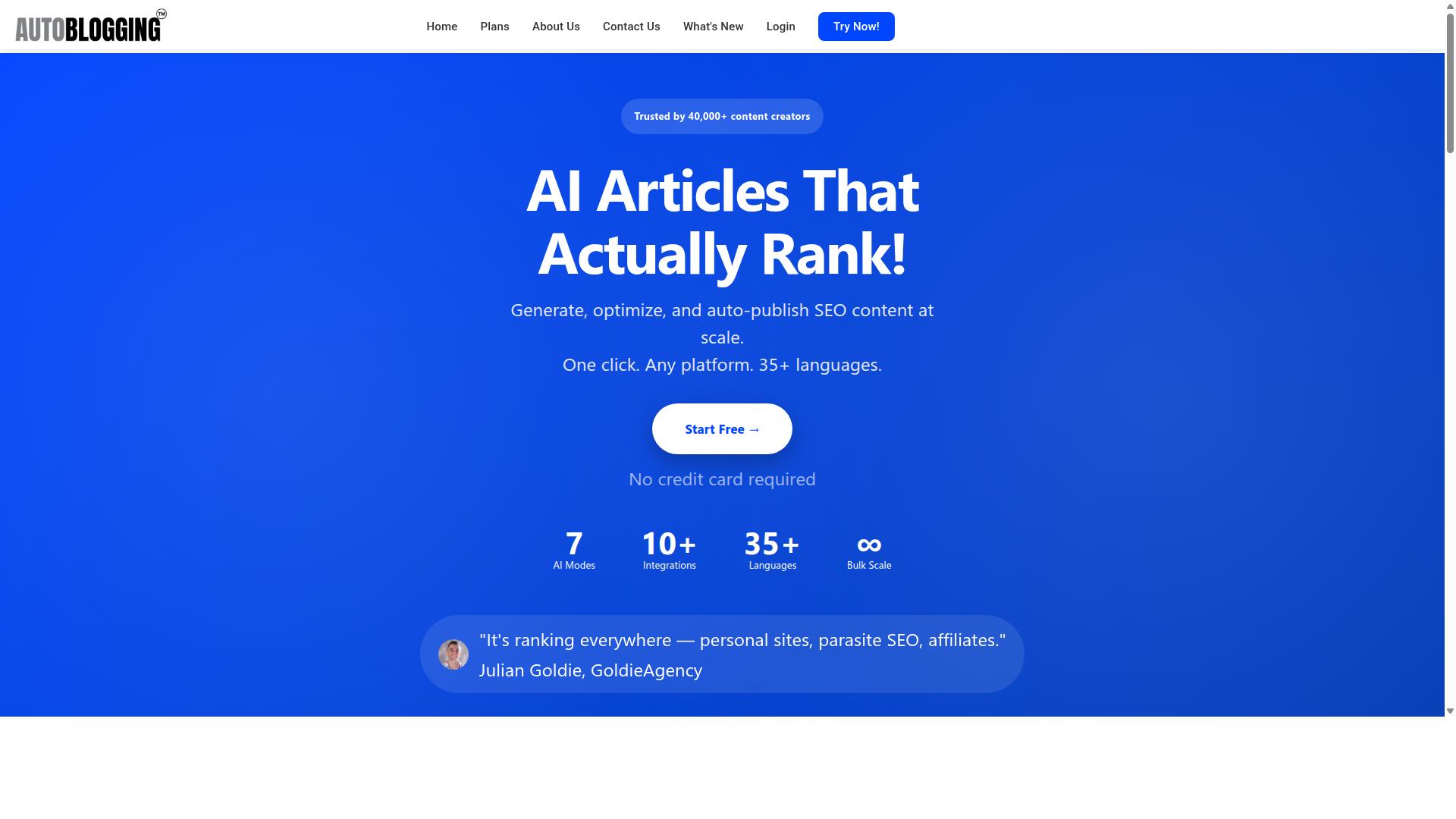
Autoblogging.ai leads the comparison through its specialized AI article generation and automation focus. The platform provides 10 distinct AI modes alongside proven results with over 1 million articles created. Many teams searching for Narrato alternatives discover that this level of automation and output volume sets a high standard.
Bloggers and agencies value the direct focus on content creation rather than general project management tools. The system integrates publishing across multiple platforms without requiring constant manual intervention. This approach helps users maintain consistent publishing schedules across their sites.
Website owners report reduced time spent on content production when switching from traditional methods. The combination of bulk generation capabilities and various optimization tools addresses common workflow bottlenecks. Autoblogging.ai positions itself as a complete solution for those needing regular content output at scale.
Key Features and Pricing
Autoblogging.ai offers tiered credit-based plans ranging from $19 to $999 monthly. Godlike Mode stands out by delivering SERP competitor analysis along with LSI keyword suggestions. This mode extracts knowledge graphs that support more comprehensive article structures.
Users can select from credit tiers that determine exact article generation limits per month. Higher tiers support larger publishing volumes while lower tiers suit smaller sites or testing purposes. The system allows credit rollover so unused credits carry forward to the next billing cycle.
Bulk Generation mode handles up to 500 articles through simple CSV uploads. News Mode connects directly to Google News sources for timely content creation. Amazon Reviews Mode provides another specialized option for product-focused websites.
The platform includes WordPress integration supporting unlimited sites with one-click publishing and scheduled auto-posting. Web 2.0 platforms such as Medium, Dev.to, Hashnode, Telegraph, and Tumblr receive direct publishing support. Additional CMS connections cover Shopify, Wix, Webflow, Blogger, and Ghost through the same system.
2. Wrike
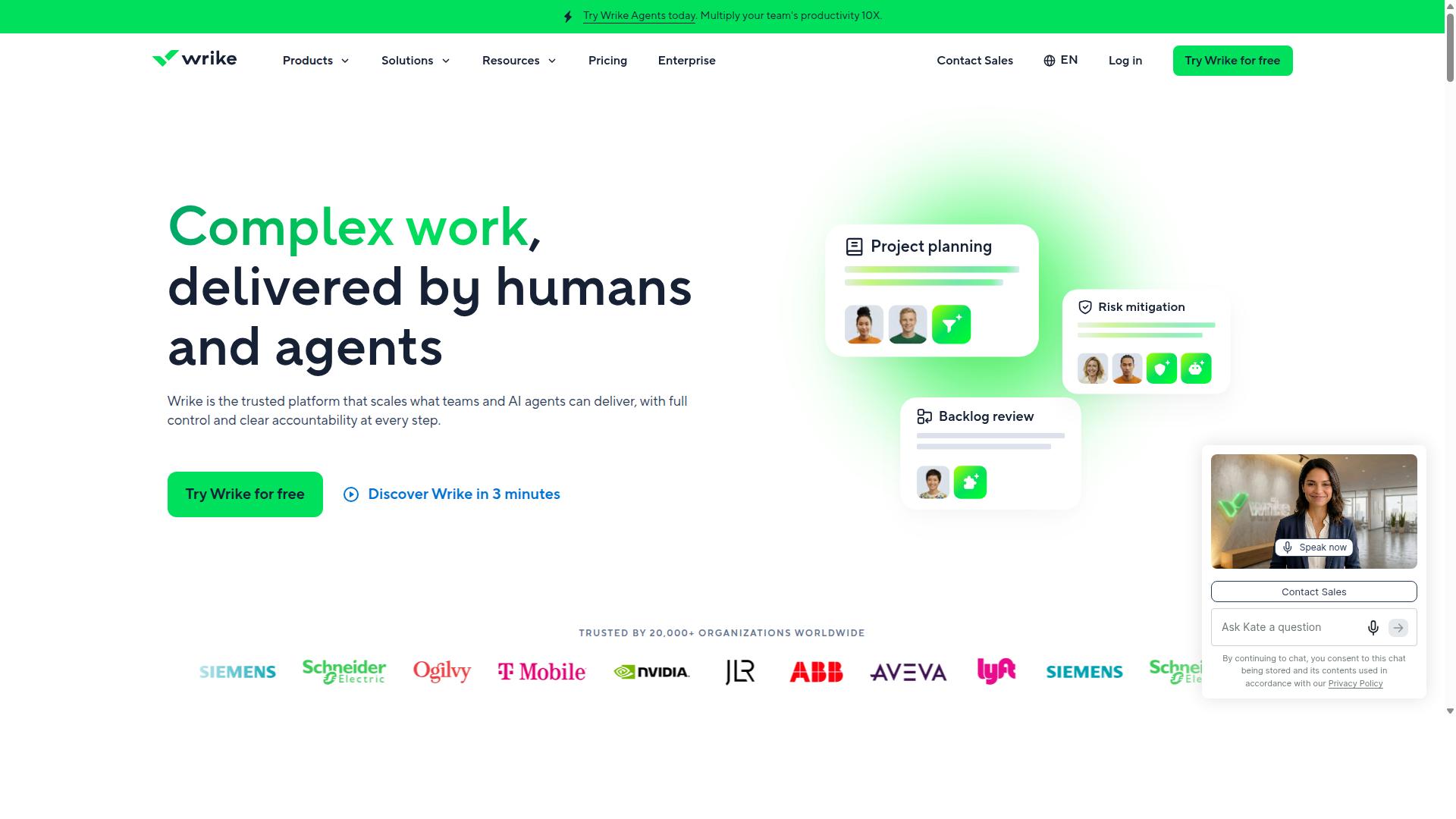
Wrike provides project management features that may support content planning but lacks native AI writing. The platform focuses on organizing creative projects and centralizing tasks across teams.
Project managers often use Wrike to handle approvals and track deadlines. Teams can upload files, leave comments, and automate workflow steps through built-in rules.
The system includes online proofing tools that let stakeholders review drafts in one place. This setup works well for agencies that need structured oversight on multiple campaigns.
Pricing starts at $10.00 per month with a free trial and free version available. Creative groups that require task governance find this structure useful when coordinating larger content calendars.
Users should note the absence of built-in text generation compared to specialized AI content platforms. This limitation makes Wrike better suited for planning stages rather than actual writing.
3. monday.com AI Work Platform
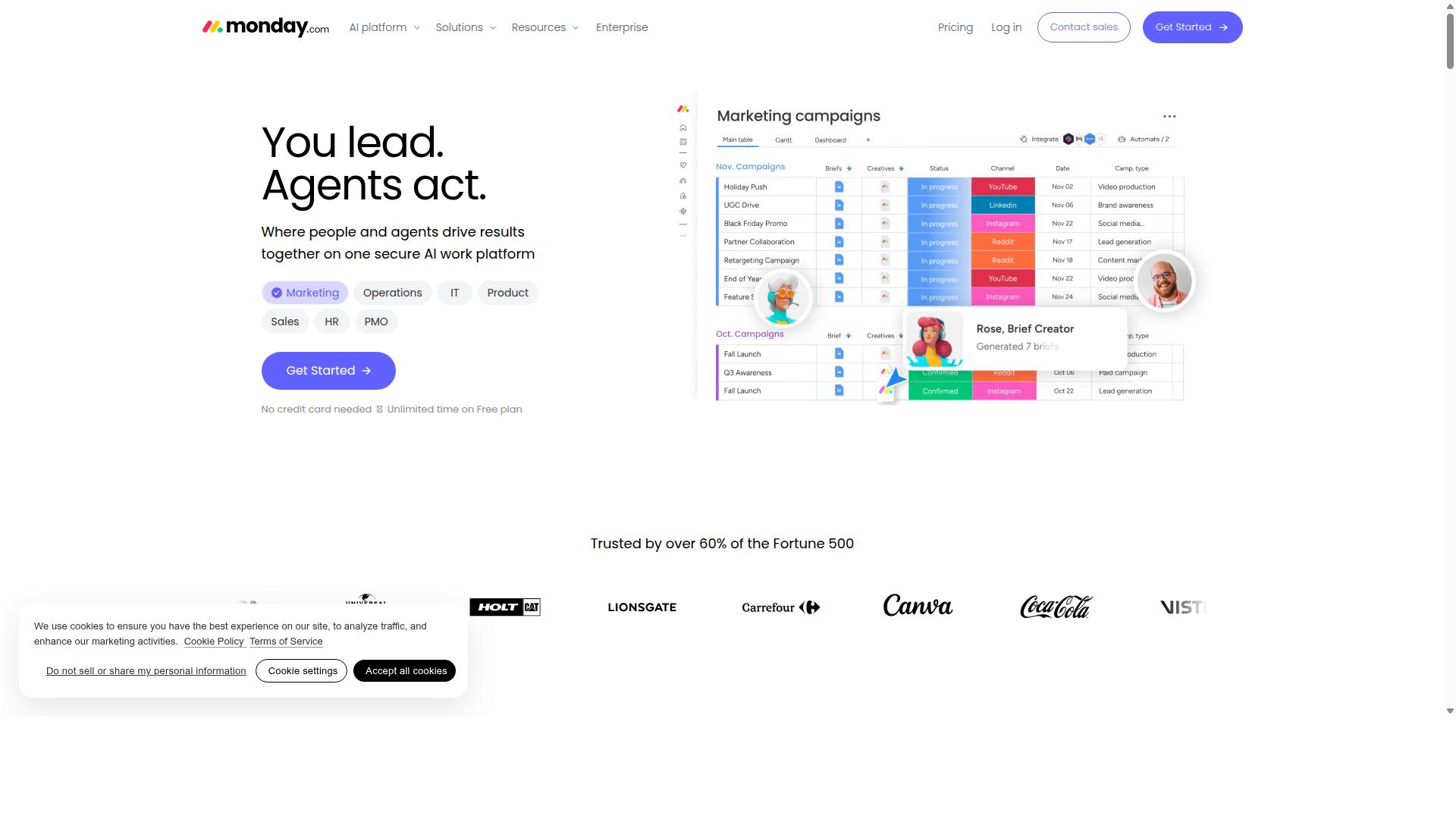
monday.com AI Work Platform focuses on customizable workflows and may incorporate AI for task automation. Teams use this platform to organize creative projects within a single dashboard view.
Dashboard customization stands out as a core strength. Users adjust boards to match their specific campaign needs or asset tracking requirements.
Automation rules trigger actions based on status changes or deadlines. These features help teams maintain consistency across multiple projects at once.
Creative groups track assets and campaigns through built-in views. A/B test results appear alongside project timelines for quick reference.
Pricing starts at $9.00 per month with a free trial and free version available. Teams that need intuitive workflow customization often consider this option among Narrato alternatives.
This platform supports content creation software needs through its flexible structure. Users manage tasks without switching between multiple tools for visibility.
4. Bitrix24
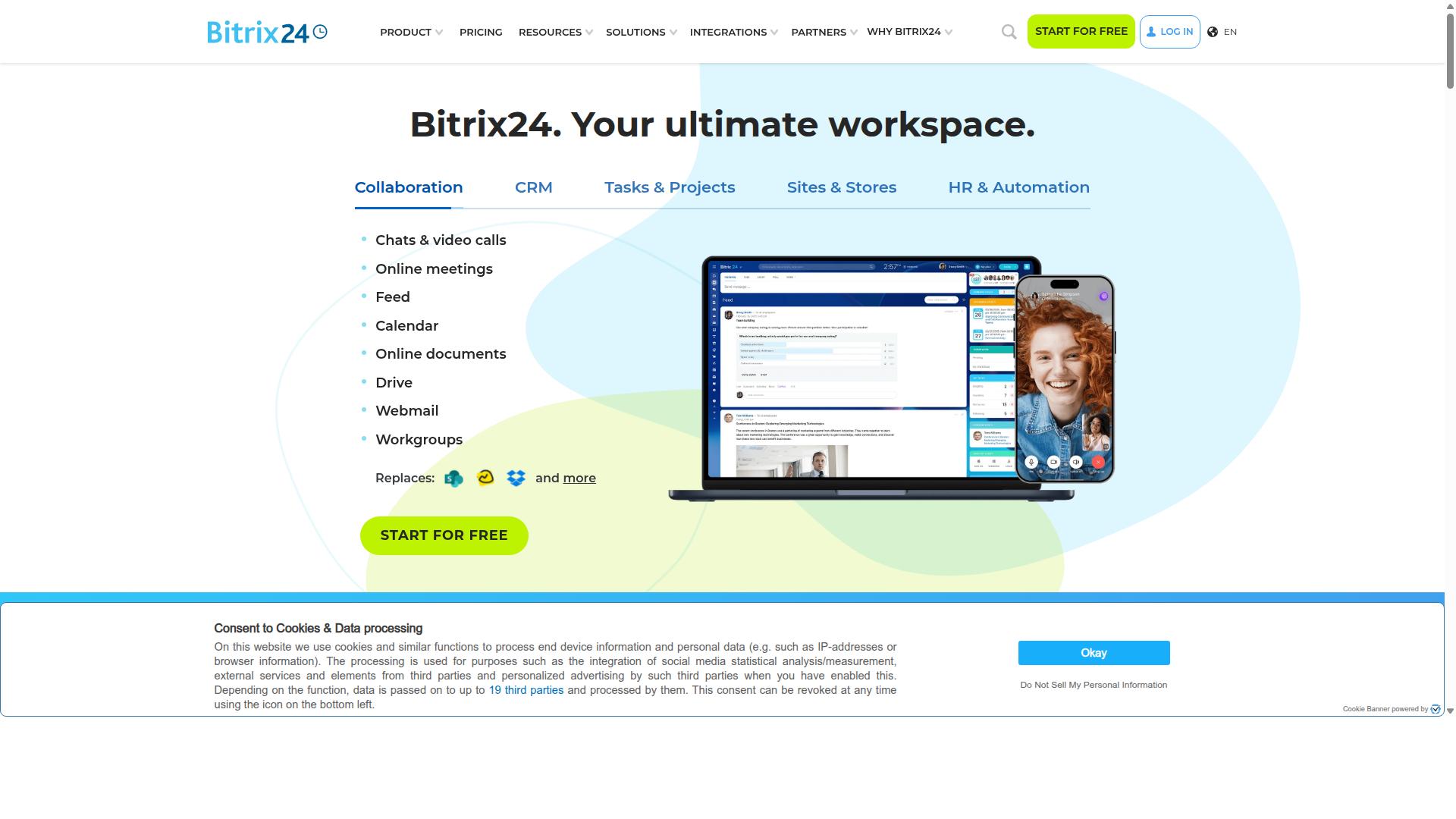
Bitrix24 combines CRM, project management, and communication tools in one suite. This all-in-one approach helps teams manage multiple business functions without switching between separate applications.
Users get access to document storage for files and resources. The platform also includes team chat for quick conversations and updates.
Task management features support organized workflows with multiple viewing options. Teams can track progress across projects while maintaining clear communication channels.
The platform suits businesses seeking a unified workspace for daily operations. Pricing starts at $69.00 per month with a free trial and free version available.
Content teams exploring Narrato alternatives sometimes look for platforms that handle collaboration alongside other business needs. Bitrix24 addresses this requirement through its integrated approach to project and team management.
5. Airtable
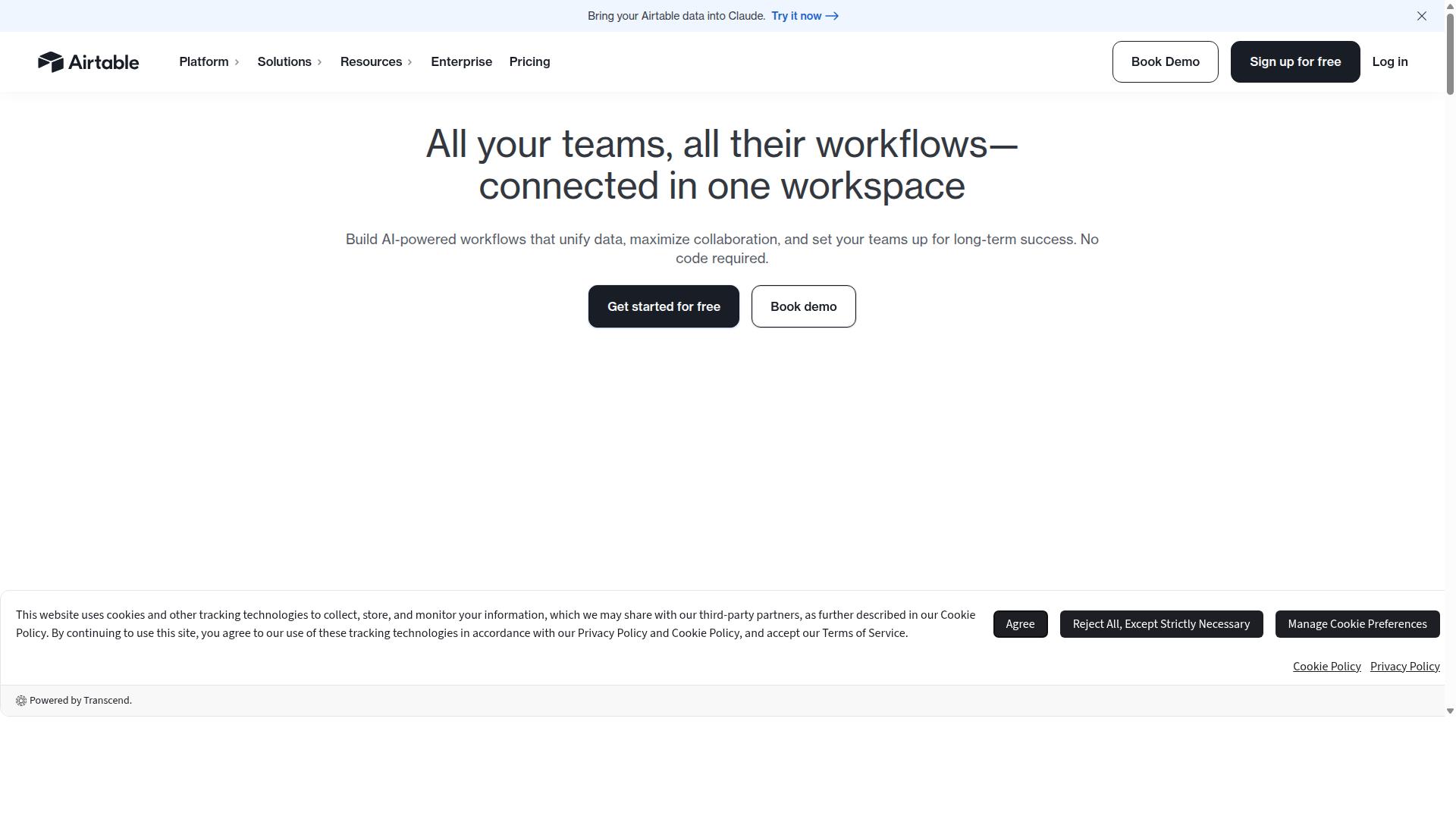
Airtable offers a flexible database interface for organizing content ideas and assets. Teams use this platform to build structured databases that track projects from initial concepts through publication.
Base templates provide ready-made structures for content calendars and editorial planning. Users customize these foundations to match specific workflow requirements without starting from scratch each time.
The platform includes several view options that display information in different formats. Grid views show detailed records while calendar views highlight publication dates and deadlines.
Kanban boards help teams visualize content stages from draft to published material. These visual tools make it simple to move projects between phases and identify bottlenecks quickly.
Airtable focuses on data organization rather than AI writing functionality. Users handle actual content creation elsewhere while this platform manages planning and asset tracking.
Many Narrato alternatives include dedicated writing features that Airtable lacks. Teams often combine Airtable with separate AI content platforms to cover both planning and production needs.
The pricing starts at $20.00 per month with a free trial and free version available. This structure suits teams requiring flexible data management and collaboration without coding requirements.
6. Brandfolder
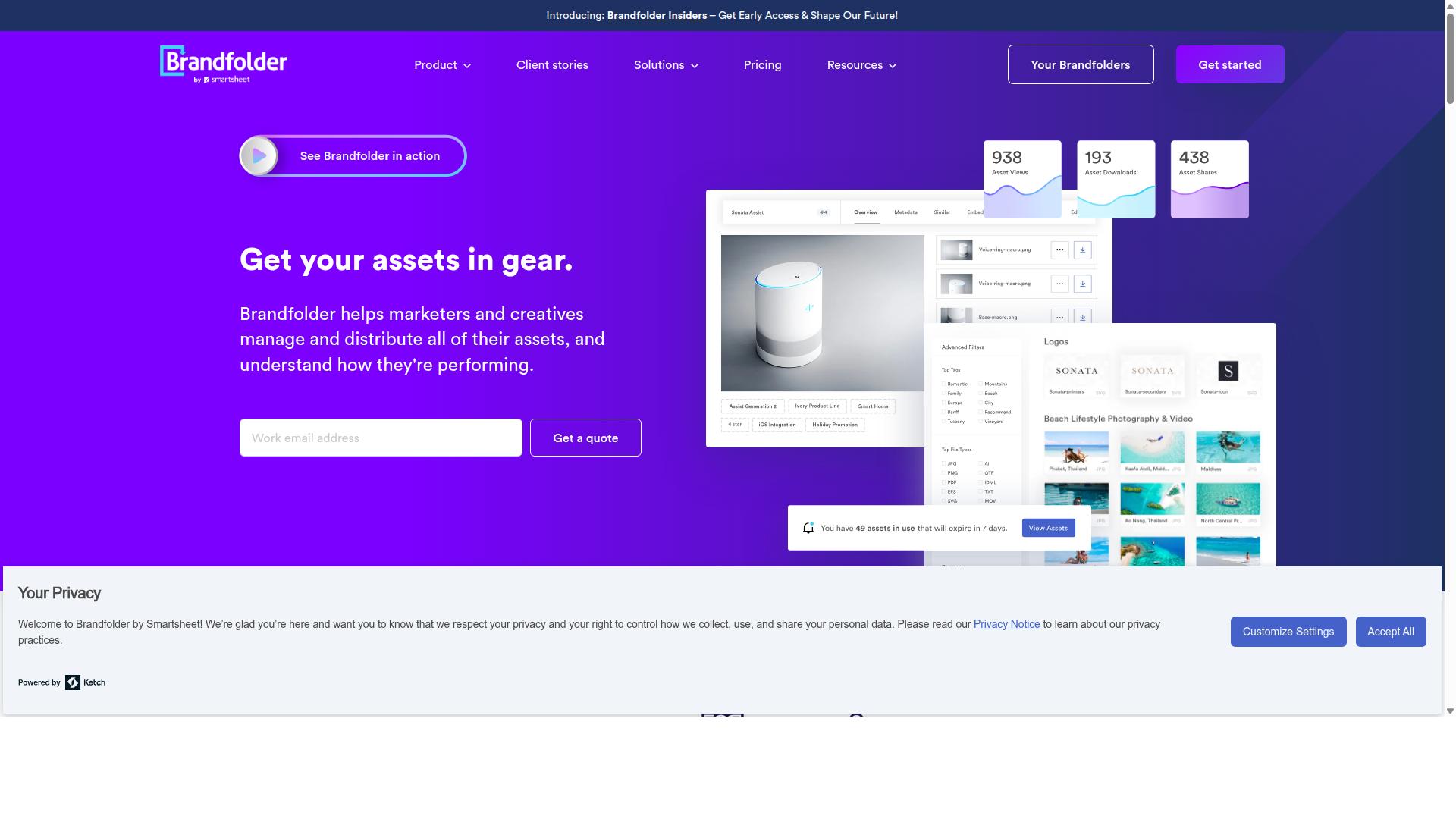
Brandfolder serves as a digital asset management platform for brand assets. It provides teams with a centralized space to store, tag, and share logos, videos, and other files. Marketing and PR groups often rely on this setup for organized access.
The platform supports both private and public repositories. Users can control permissions and create collections for specific campaigns or partners. This approach helps reduce time spent searching across scattered drives and email threads.
Asset tagging allows teams to label files with custom metadata. Search becomes faster when keywords and categories match the way people actually work. Sharing links can be set with expiration dates or access restrictions for added security.
Brandfolder focuses on storage and distribution rather than content creation. Teams still need separate tools when they want to generate blog posts or long-form articles. It complements Narrato alternatives that specialize in AI writing and workflow automation.
7. Surfer SEO
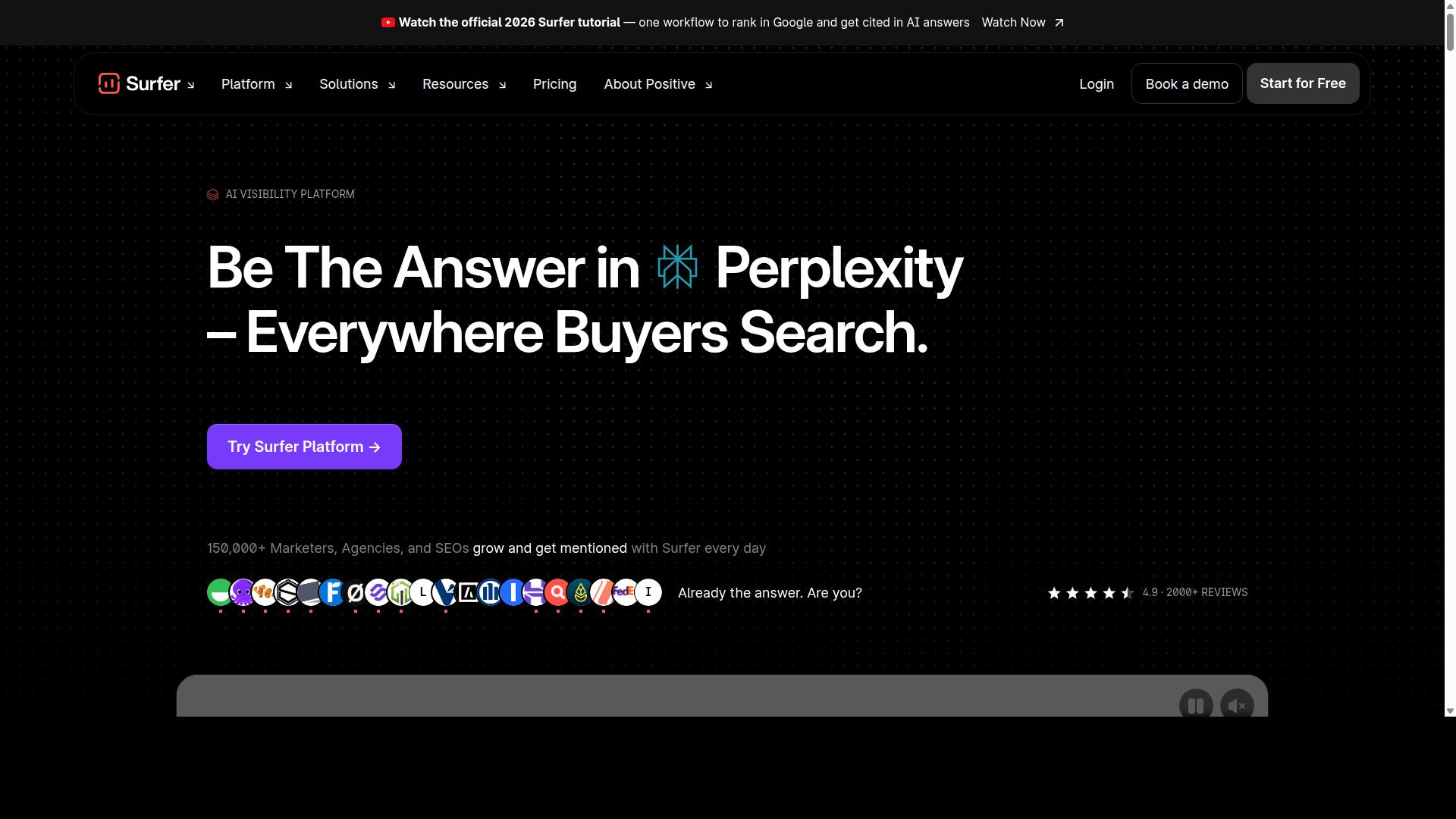
Surfer SEO provides on-page optimization guidance based on SERP data analysis. The platform evaluates content against top ranking pages to determine what elements matter most. Content teams use these insights to refine articles before publication.
Content score metrics show how well a draft matches search expectations. The system assigns numerical values based on keyword placement, structure, and length. Writers adjust their work until scores reach acceptable ranges for the target topic.
Keyword suggestions appear directly inside the editor interface. These recommendations come from actual search result patterns rather than generic lists. Users see which phrases appear across successful pages in their niche.
The tool breaks down optimization into clear sections for headings, paragraphs, and overall structure. Each section displays specific requirements that help improve relevance. Teams follow these pointers to address gaps in their drafts.
Content clusters receive special attention through topical authority features. The system identifies related subjects that strengthen overall site performance. Writers build content around these connections to support broader ranking goals.
Monthly pricing starts at $99 and reaches $219 depending on usage needs. A seven day free trial allows teams to test the core functions before committing. The platform targets users focused on search performance and ranking improvements.
8. Frase
Frase assists with research and brief creation for SEO-focused content. This platform supports teams who need document research and structured outlines before writing begins.
Content strategy teams often turn to Frase when planning articles that target specific search rankings. The tool gathers data about competitors and keyword opportunities in one place.
Users appreciate how Frase organizes findings into clear briefs. These briefs guide writers toward topics that align with current search trends.
Frase provides SEO and GEO content workflows with live rankings for Google and AI search citation potential. Content Watchdog tracks rankings and suggests automatic fixes when performance changes.
Teams that manage both traditional SEO and AI search readiness often find value in this approach. Pricing starts at $39 and goes up to $299 each month with a 7-day free trial available.
This makes Frase a practical option for content teams seeking research tools that fit within Narrato alternatives. The platform focuses on preparation rather than full text generation.
How to Choose the Right Option
Selection depends on specific workflow needs, team size, and required AI writing depth. Bloggers and SEO professionals face different demands than agencies handling multiple client projects. The right Narrato alternative must match those exact requirements.
Monthly article volume plays a central role in platform selection. High-volume creators need tools that handle consistent output without quality drops. Automated content creation solutions scale differently than manual-focused options.
Integration requirements determine how smoothly a new platform fits existing processes. SEO professionals often rely on specific analytics and publishing connections. Content creators working with WordPress or other site builders need compatible workflows.
Budget range shapes which AI content platform delivers the best value. Agencies managing client accounts require different pricing structures than individual bloggers. Content strategy platform options vary widely in cost and capability.
Bloggers benefit from straightforward AI blog writer features that match their publishing schedule. SEO professionals need AI SEO writer capabilities that align with ranking goals. Marketing agencies require content workflow automation that supports team collaboration.
Autoblogging.ai serves personal sites, parasite SEO projects, affiliate sites, client websites, portfolio sites, and local sites. This broad coverage makes it suitable for bloggers, website owners, SEO professionals, marketing agencies, content creators, and affiliate marketers who need reliable output across different project types.
Final Verdict
Autoblogging.ai stands out for teams needing high-volume AI article generation with extensive language and integration support. The platform delivers a 4.9 average rating and serves 40,000+ content creators who generate over 1 million articles. These numbers reflect consistent performance across different content workflows.
Users gain access to 35+ languages and 35+ integrations that connect with existing tools. 10+ AI modes provide flexibility for various writing tasks, while credits rollover keeps value active across billing periods. The platform ships new features weekly to match evolving needs.
A human proofreader comes included in all plans, adding professional review before publication. One-click WordPress publish removes extra steps in the publishing process. SERP competitor analysis and semantic SEO tools help teams optimize content for search visibility.
The 21-point SEO audit examines content from multiple angles. Featured snippet optimization targets specific search result formats that drive traffic. These capabilities work together to support structured content strategies.
Teams evaluating Narrato alternatives should compare integration counts and language support directly. Autoblogging.ai provides concrete metrics that help decision makers assess fit for their volume and workflow requirements. The platform's feature set addresses both creation speed and optimization depth.
Frequently Asked Questions
What makes Autoblogging.ai a strong alternative to Narrato?
Autoblogging.ai stands out with its 10+ AI modes for article generation, including Godlike Mode for SERP analysis and Bulk Generation for up to 500 articles via CSV. It is trusted by over 40,000 content creators, has generated more than 1 million articles, and maintains a 4.9 average rating while supporting 35+ languages and 35+ integrations.
How does Autoblogging.ai handle large-scale content needs?
Autoblogging.ai offers Bulk Generation mode that processes up to 500 articles from a CSV upload, along with News Mode for current events. Credits from its monthly plans rollover, and a human proofreader is included in select plans to ensure quality output for bloggers and agencies.
What are the pricing options for Autoblogging.ai?
Autoblogging.ai provides monthly plans starting at $19 for 40 credits in the Starter tier, scaling up to $999 for 5,000 credits in the Enterprise plan, with annual billing available at a discount. This credit-based structure suits varying content volumes without requiring long-term commitments upfront.
Who is Autoblogging.ai designed for?
Autoblogging.ai targets bloggers, website owners, SEO professionals, marketing agencies, content creators, and affiliate marketers managing personal sites, client projects, or affiliate content. It is available worldwide as an online SaaS platform founded in 2022 by Vaibhav Sharda.
Does Autoblogging.ai include ongoing support and updates?
Autoblogging.ai delivers 24/7 support, ships new features weekly, and includes credits that rollover across plans. Users benefit from its focus on automating content processes developed since 2011, helping save time while improving online presence.
How many AI modes and languages does Autoblogging.ai support?
Autoblogging.ai includes more than 10 AI modes such as Quick Mode, Godlike Mode, and News Mode, plus support for 35+ languages and 35+ integrations. This flexibility makes it suitable for diverse global content strategies compared to other tools.
Recommended Resources: